Brain Based Therapy

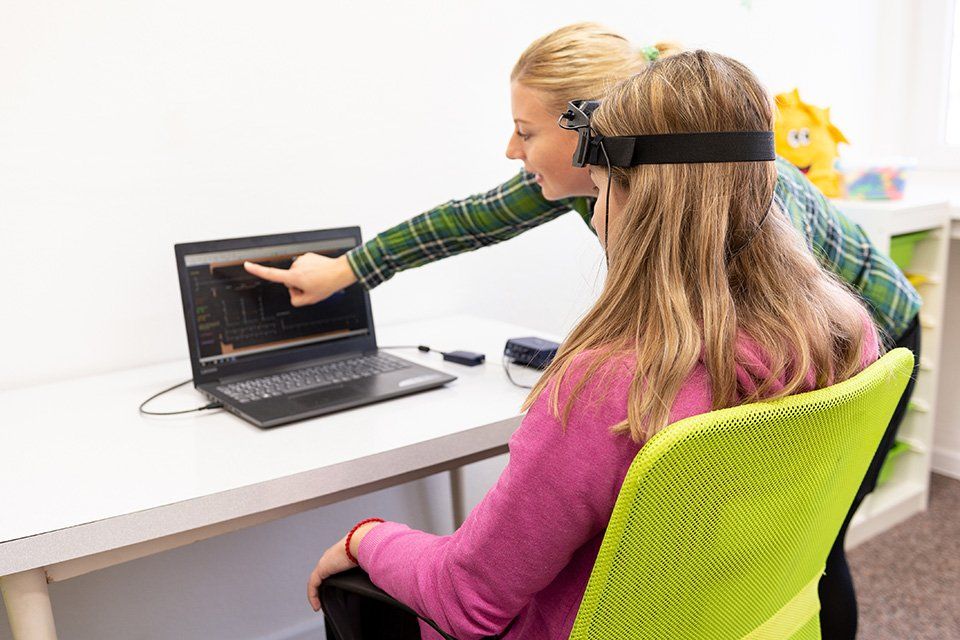
Neurofeedback is a way to quantify and train brain activity. Communication between groups of cells in the brain creates thoughts, sensations, actions and emotions. Sometimes our brain activity becomes dysregulated and results in inefficient processing of information.

This activity is detectable in the form of brainwaves – electrical impulses generated by your brain activity. Neurofeedback uses positive reinforcement to teach the brain to better regulate this activity.

Interactive Metronome (IM) is an evidence-based, multi-sensory therapy and assessment tool designed to improve the brain's internal rhythm and timing (known as neurotiming). It works by requiring users to synchronize physical movements (such as hand-clapping or foot-tapping) with a precise computer-generated beat.

Heart rate variability, or HRV for short, is a measure of your autonomic nervous system that is widely considered one of the best objective metrics for physical fitness and determining your body’s readiness to perform.

The Auditory Training Program (TM) uses electronically modified music and language to stimulate the auditory pathways and enhance auditory neural plasticity to assist and improve auditory processing abilities.

Is a form of neuromodulation that uses constant, low direct current delivered via electrodes on the head. It was originally developed to help patients with brain injuries or neuropsychiatric conditions such as major depressive disorder.


It can be contrasted with cranial electrotherapy stimulation, which generally uses alternating current the same way, as well as transcranial magnetic stimulation.


Audio Visual Entrainment (AVE), is a subset of brainwave entrainment, uses flashes of lights and pulses of tones to guide the brain into various states of brainwave activity. 


AVE devices are often termed light and sound machines or mind machines. Altering brainwave activity is believed to aid in the treatment of psychological and physiological disorders.